Table of Contents
Lab Grown Diamonds Explained Simply
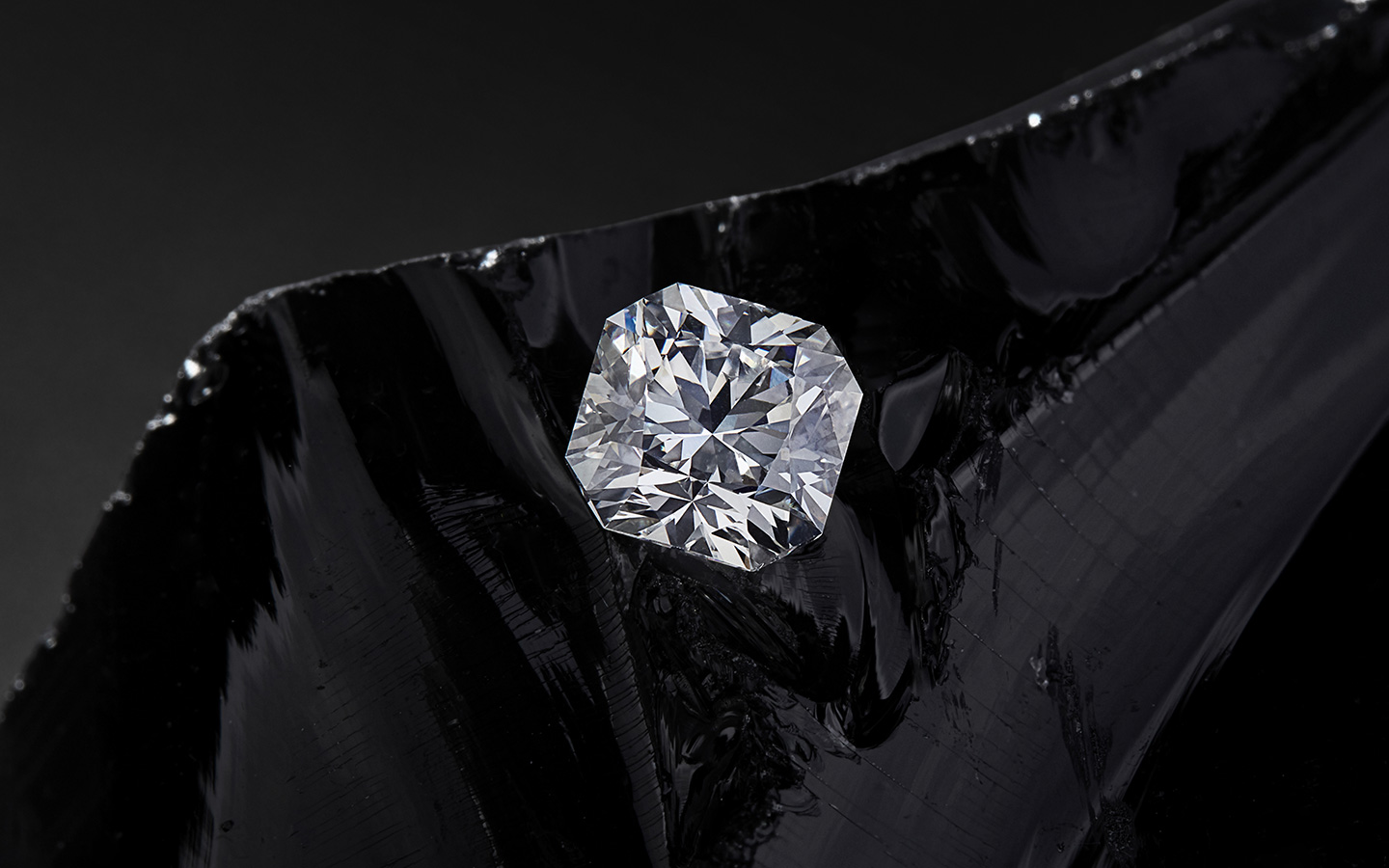
It starts with more than a purchase. Think of it as choosing something that lasts. This choice deserves thought, not impulse. Lab grown stones? They’re actual diamonds. Not fakes. Identical in makeup to those pulled from the earth. Same atoms, same shine, same hardness. What sets them apart starts underground, especially when you are considering a pear shaped diamond ring. Nature squeezes carbon slowly, drop by drop, over eons. Humans mimic that crush fast, inside machines humming with precision. Same atoms line up either way, just on different clocks. Value shifts when time and control enter the picture. Purpose bends depending on why you need it.
How lab diamonds are made
Few ways exist for making diamonds outside mines. One approach builds them slowly under heat and pressure. Another uses gas to form crystals over time.
- High Pressure High Temperature method
- Chemical Vapor Deposition method
A tiny diamond seed kicks off each process. As carbon builds up, settings stay precise so the gem can form properly. Picking one technique isn’t necessary. The result – how good the stone looks – is what counts. Pay attention to how it’s graded, its clearness, and shaping work.
Buyers Pick Lab Diamonds
What’s behind the move to lab made stones isn’t chance. Real factors shape it. A bigger stone or better grade at the same price helps tip things. Steady results come next – factories tune color and flaw levels precisely. Knowing where a gem comes from matters too. Most people care about a diamond’s origin and creation process. Picture this: your spending limit stays the same. A natural stone might force you to pick either bigger size or better quality. But with one grown in a lab, hitting high marks on both is common.
How to Judge Quality
Not every diamond is the same, even if they look alike. Lab made or dug from the earth – both follow identical quality checks. Pay attention here instead: cut, color, clarity, carat. One detail can shift everything.
- Cut quality affects how the diamond reflects light
- Color grade measures how clear or tinted the diamond is
- Clarity shows the presence of internal marks
- Carat weight reflects size
A good cut matters most of all. Even smaller diamonds shine brighter when they’re cut right instead of just being big. When it comes to pear shapes, how balanced the stone looks makes a huge difference. The tip should flow smoothly into the rounded end without any awkward shifts. Uneven lines stand out fast to the eye.
Selecting a Shape That Fits Your Look
Most folks think shape only changes appearance. Yet it also shifts how big the stone seems. A round cut feels even, familiar on the hand. Instead of circular forms, ovals stretch the look along the finger. Pears do something similar – tapered ends draw the eye outward. Most people notice how long the fingers seem when wearing one. Starting with a soft curve then tapering to a sharp edge, the diamond forms a teardrop outline. It catches attention because it feels unique yet balanced. Think of it like this: timeless appeal without blending into the crowd happens naturally here.
Settings That Work Best
A band of metal wraps around the gem, keeping it secure while shaping the ring’s appearance. Though made above ground, these gems fit into settings just like those dug from the earth. What shows up most often? Styles that hold strong appeal across different tastes
- Solitaire for a clean and simple look
- Halo for added sparkle and visual size
- One gem stands at each end, a third finds the middle. This setup brings deeper sense through symmetry. Not just beauty, but thought shapes the space between them
Pear-shaped gems need care at their delicate ends. Protection matters most right where the stone tapers to a point. Tiny claws work well near the edge. That little hold keeps harm away.
Budget Strategy That Works
Most folks begin by deciding what they’ll spend. That choice shapes everything after it. Lab made stones change how money moves through the process. Skip cutting corners on carat weight – spend instead on precision and purity. For the same amount, swap a one-carat natural stone with so-so clarity for a 1.5-carat lab-created version that’s clearer. Bigger size meets better quality, yet costs just the same. Value shows up plainly – no extra spending needed.
Common Mistakes to Avoid
Most errors happen when people rush or pay attention to things that do not matter much. A diamond purchase might seem confusing at first glance.
- Ignoring cut quality
- Overpaying for carat without checking clarity
- Picking a spot where the gem won’t stay safe. Not locking it down leaves it open to harm. A weak frame means trouble could come fast. Leaving gaps around it invites damage without warning. That kind of hold offers almost no shield at all
- Choosing just one path instead of weighing several choices
Slow down. Go through each certificate one by one. Study actual photos instead of relying on words alone. When picking a pear cut, pay attention to the proportions between length and width. That balance shapes its appearance – whether it seems slender or broad.
Certification Matters
A smart move means picking a diamond that comes with a grading report. Labs like GIA or IGI have solid reputations. When you hold the certificate, you know what the stone really offers. Guessing disappears once proof arrives. Relying only on what the seller says falls short. Big purchases need more than someone’s word.
Is It the Right Choice for You
Real diamonds made in labs aren’t chasing fashion. Control shapes them, also the worth they carry. A genuine stone comes without hidden questions. Attention stays where you want it. Size plus clear quality matter, especially when money is limited – this choice fits that need. Should rarity matter most, natural lab created diamonds might catch your eye. What matters comes down to what you’re after.
FAQ
Could lab diamonds wear down faster than natural ones?
Actually, they’re identical when it comes to toughness and build. When worn every day, the results are just alike. Hardness matches. Structure does too.
Over time, do lab diamonds keep their worth?
Most people do not purchase them hoping to sell later. Instead, it is about how they work and look today. Value comes from present enjoyment, not future gain.
Without gadgets – do you see the gap?
Fake? Not really – experts need special tools to tell lab diamonds apart from natural ones. Most people just can’t see the difference without help.