Table of Contents
What Buy Lab Diamonds Actually Involves
Searching for lab diamonds? It’s more than shopping. Safety matters. So does knowing what you’re buying. A genuine stone within reach feels right. Understanding quality helps too. Paying too much? That’s what you’re trying to dodge. Practical reasons drive it. Chances are, choices are being weighed. Maybe a ring. Or something meant to last years. Getting solid worth matters – no givebacks. This word tackles that head on. Pricey natural stones can leave you guessing. A clearer route puts value and clarity in your hands instead when you buy lab diamonds.
Lab Made Diamonds Exist Because They Offer An Alternative To Mined Stones
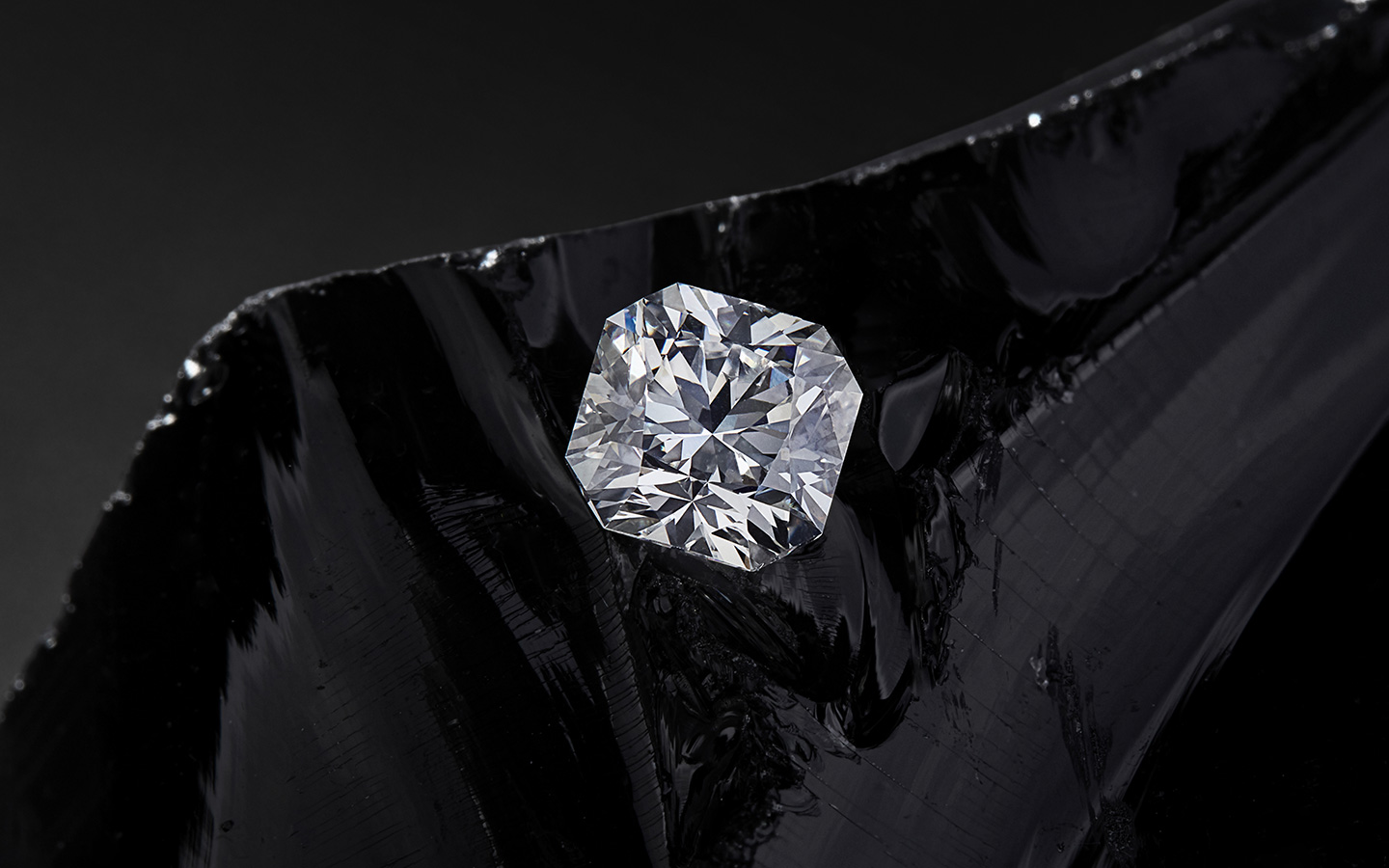
Diamonds from labs came about because natural ones got too pricey and hard to find. Inside special chambers, they form under tight control with high-tech methods. What comes out matches mined stones right down to the atoms. Not a fake by any measure. A genuine diamond – just built another path. This shifts your view on what’s valuable. Paying attention to craftsmanship happens when rarity takes a back seat. Quality steps forward once design gets its due.
How Things Are Created
One way to make diamonds in a lab starts with intense heat and pressure. Another path uses a gas-filled chamber where crystals slowly grow over time.
- High Pressure High Temperature method
- Chemical Vapor Deposition method
Weeks pass while these techniques mimic how diamonds come to be underground. A tiny piece of carbon goes inside a device. Slowly, one level after another builds up until the stone is complete. Rather than waiting eons, people see results in days.
Things to Check Before Buying
Start by thinking about how light moves through a diamond when choosing one made in a lab. That idea ties closely to what experts call cut, part of a set called the 4Cs – color comes next, then clarity, followed last by carat weight.
Cut
Light bounces differently depending on the shape of the diamond. Brighter sparkle comes from precise angles, not size. When comparing options, go for sharper craftsmanship – size matters less than shine.
Color
From clear to faint hues, tone shifts subtly. Many shoppers lean toward almost-clear stones since they appear bright yet cost less. Take it this way: a G or H might mirror a D when seen without tools. Looks can hide what the scale shows.
Clarity
Most tiny flaws show up only under close inspection. These marks rarely matter once set in jewelry. Flaws stay hidden when seen from a usual distance. Pick one where you cannot spot issues by eye. Clarity means spotting what’s hard to see anyway.
Carat
A diamond’s heft is what carat measures. Bigger ones come with higher price tags. Rather than fixating on bulk, pair weight with how well it sparkles and its purity.
Pricing and Value
Imagine picking a sparkler that looks just like the rare earth kind but comes from a lab. These often carry lighter price tags compared to their dug-up cousins. Sometimes the gap feels wide enough to matter. That shift opens room – either keep cash in pocket or level up on size or purity without stretching your limit. Picture walking away with a bigger rock or one that sparkles cleaner, all while spending what you’d set aside for something smaller and mined deep below.
Common Errors People Make
Starting with cost alone causes trouble down the line. Some shoppers miss key details when they fixate on numbers. Skipping deeper checks often results in regrets later
- Choosing size over cut quality
- Ignoring certification reports
- Buying from unknown sellers without reviews
- Assuming all diamonds are equal
A stone might be big, yet still lack sparkle when the shaping is sloppy. The price tag won’t fix that.
Certification Matters
A stamp from a known lab? Always make sure it’s there. That paper proves what you’re getting is real. Reports from places such as GIA or IGI carry weight. Say the seller has nothing to show – walk away instead.
Online versus In Store Shopping
One way to shop involves internet retailers, which usually provide more choices along with lower costs. Another option means visiting brick-and-mortar locations where examining the stone firsthand is possible. Buying through websites works well when the vendor gives you clear return terms plus high-resolution images
- Clear return policy
- High resolution images or videos
- Verified certification
Before deciding, check how much it costs at different shops when purchasing locally.
Match the diamond to your purpose
A single stone might shine bright, yet serve poorly when picked wrong. Pick by purpose, not just sparkle.
For Engagement Rings
Beyond sparkle, harmony matters most. One that’s shaped precisely, paired with clear appearance, performs stronger.
For Everyday Jewelry
Strong materials last longer. Pick a mount that keeps the gem safe.
For Investment Thinking
A lab diamond won’t hold its worth over time. Get one because you want to wear it, not sell it later.
Ethical And Environmental Considerations
Created in labs, lab made diamonds skip digging through earth. Fewer scars on land follow from that choice. Some shoppers feel better knowing origins clearly. Traceable creation paths bring quiet confidence instead.
Compare Choices Without Confusion
Most times, a stone’s sparkle matters more than its size alone. Take two gems: one weighs exactly a carat yet has an ordinary shape, costing less. The second sits just under at zero point nine but carries a sharp, precise form – priced a bit up. Often, eyes notice the finer craftsmanship before weight. Brilliance comes alive through how light dances inside, shaped by precision. Size shows on paper. Light play shows when worn.
Simple Buying Checklist
Before you buy, run through these steps. A moment now saves trouble later. Check each point carefully. This list helps avoid mistakes. Go over it once more. Every item matters just as much as the last
- Check certification
- Start by checking how clean the cuts are
- Compare at least three options
- Read seller reviews
- Confirm return policy
Built on steady choices, this cuts down the chance of things going wrong.
Long Term Use Explained
Even though they’re made in a lab, these stones still handle daily wear just fine. A soft wipe with soapy water keeps them looking fresh. Over years, they won’t lose their shine or get scuffed easily. Keeping them apart from other pieces helps prevent tiny knocks. Water and gentle cleaning go a long way. Just like mined ones, they stay strong through regular use.
Is It the Right Choice for You
Starting with what matters most helps sort things out fast. When looks and worth matter more, this choice holds up well. Should rareness or selling later be the target, another path might work better. Knowing why you’re choosing makes the decision clearer.
Smart Buying Final Thoughts
Start by knowing what matters. Quality shows in how it looks, not where it came from. One choice fits tighter budgets, while another might stretch them. Pressure from ads doesn’t help – tune it out. The stone is part of something larger: your own judgment. These gems grow in labs, yes – but they still need careful picking. Flexibility comes built in, so think ahead before deciding.
Frequently Asked Questions
Are lab diamonds real diamonds
True. Identical makeup, identical traits. Created deep underground or in a lab setting – same result either way. Origin changes nothing about what they are.
Do lab diamonds lose value over time
Even if they lose worth over time compared to real diamonds, these stones fit better in a ring than a portfolio. Ownership matters more than profit when picking one out.
Can people tell the difference
Finding the difference? Nearly impossible without tools made just for that job. Lab-grown versus mined – they look identical when seen by most people.