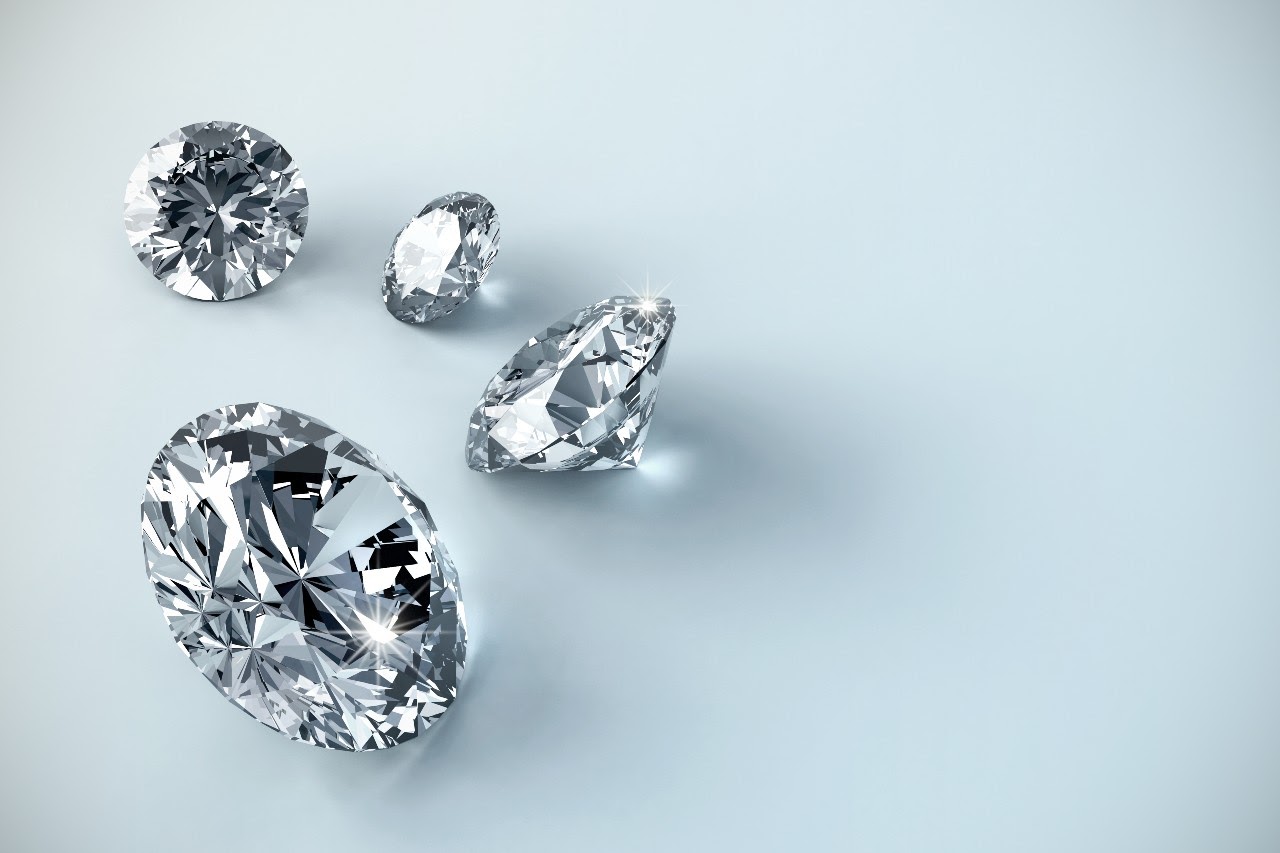
Lab diamonds are real diamonds created in controlled laboratory environments. They have the same physical, chemical, and optical properties as mined diamonds. The only difference is origin. If you place a lab diamond next to a mined one, you cannot see a difference with the naked eye. Both are made of carbon. Both rank 10 on the Mohs hardness scale. Both reflect light in the same way. You are not buying a substitute. You are buying a diamond formed through advanced technology instead of geological pressure deep inside the earth. For you as a buyer, the real question is not whether they are real. The question is whether they fit your budget, values, and expectations.
Table of Contents
How Lab Diamonds Are Made
4 There are two main methods used to create lab diamonds.
HPHT Method
High Pressure High Temperature replicates the natural conditions under which diamonds form. A small diamond seed is placed in carbon. The machine applies extreme pressure and heat. The carbon melts and forms around the seed. This method has been used for decades rose gold rings.
CVD Method
Chemical Vapor Deposition uses a chamber filled with carbon rich gas. A diamond seed is placed inside. The gas is heated until carbon atoms attach to the seed layer by layer. This method allows more control over growth and purity. For you, the process matters less than the final quality. What matters is grading, cut, clarity, and certification.
How They Are Graded
Lab diamonds are graded using the same 4Cs as mined diamonds.
- Cut
- Color
- Clarity
- Carat weight
Independent labs such as the Gemological Institute of America and the International Gemological Institute provide grading reports. These reports tell you exactly what you are buying. When you shop, always ask for a certificate. Check that the report number matches the inscription on the diamond if it is laser inscribed. Example: If you are choosing between a 1 carat diamond with excellent cut and VS1 clarity versus a 1.1 carat diamond with good cut and SI1 clarity, prioritize cut. Light performance affects appearance more than small size differences.
Price and Value
Lab diamonds typically cost less than mined diamonds of similar quality. The price difference can range from 30 to 50 percent depending on market conditions. For you, this creates options. You can:
- Choose a larger stone for the same budget
- Upgrade clarity or color without increasing spending
- Invest the savings elsewhere
Be practical. Decide what matters most. Size, brilliance, or budget discipline. Prices continue to evolve as production technology improves. Do not assume resale value will mirror mined diamonds. If you are buying primarily as jewelry rather than an investment, focus on enjoyment and suitability.
Ethics and Environmental Factors
Some buyers choose lab diamonds because they want more traceable sourcing. Mining can involve land disruption and complex supply chains. Laboratory production reduces the need for new mining. However, energy use varies by producer. Not all facilities operate with renewable energy. If sustainability matters to you, ask the seller specific questions:
- Where was the diamond grown
- What energy source does the facility use
- Is there documentation to support environmental claims
Avoid broad claims. Look for data.
Choosing the Right Setting
4 Your diamond is only part of the final result. The setting defines how it looks on you. Common choices include:
- Solitaire for a clean and direct look
- Halo for added sparkle and visual size
- Three stone for symbolic meaning
- Stud earrings for everyday wear
If you lead an active lifestyle, choose a low profile setting. If you use your hands often at work, avoid high prongs that can catch. Example: If you work in healthcare and wear gloves daily, a bezel setting protects the edges of the diamond and reduces snagging. Metal choice also affects the look. White gold emphasizes brightness. Yellow gold adds warmth. Rose gold softens contrast. Make decisions based on how you live, not on trends.
Comparing to Natural Diamonds
Major mining companies such as De Beers have historically shaped the diamond market. Over time, laboratory grown options have entered the mainstream. From a technical perspective, there is no visual difference without specialized equipment. Jewelers use advanced tools to detect growth patterns unique to laboratory formation. Emotion plays a role in your choice. Some people value geological origin. Others value innovation and price flexibility. Neither choice is wrong. The important point is clarity. Know what you are buying and why.
Common Myths
Myth: Lab diamonds are fake. Reality: They are chemically identical to mined diamonds. Myth: They are not durable. Reality: They rank the same on hardness and are suitable for daily wear. Myth: They always cost very little. Reality: High quality stones with excellent cut and high clarity still carry significant cost. You protect yourself by focusing on grading reports and reputable sellers.
How to Buy Smart
Before you purchase, define your priorities. Ask yourself: Do you want maximum size for your budget? Do you want the highest clarity? Are you buying for engagement, anniversary, or personal use? Then follow these steps:
- Set a fixed budget range
- Prioritize cut quality first
- Compare at least three certified stones
- Check return and warranty policies
- Inspect the stone under different lighting
When viewing diamonds, look at them in natural daylight and indoor lighting. Some stones look different depending on environment. If buying online, request high resolution videos. Rotate the image. Look for dark areas that do not reflect light well. Do not rush. A diamond purchase is often tied to a significant life event. Take the time to evaluate.
Long Term Care
Caring for lab diamonds is straightforward. Clean your jewelry regularly with mild soap and warm water. Use a soft brush to remove buildup. Avoid harsh chemicals. Have prongs checked once a year if you wear the piece daily. This prevents stone loss. Store pieces separately to prevent scratching other jewelry. Diamonds can scratch metals and softer gemstones. Maintenance is simple but consistent care extends life and appearance.
Are Lab Diamonds Right for You
Your decision should align with your values, financial plan, and aesthetic preference. If you want a larger or higher quality stone within a fixed budget, lab diamonds offer flexibility. If geological rarity matters deeply to you, you may prefer mined stones. There is no universal answer. There is only the option that fits your priorities. Choose based on informed comparison rather than assumption.
Frequently Asked Questions
Do lab diamonds test as real diamonds?
Yes. Standard diamond testers recognize them as diamonds because their composition is the same as mined stones.
Will lab diamonds lose value over time?
Market prices can change as production increases. Buy primarily for personal use rather than resale expectations.
Can you insure lab diamonds?
Yes. Insurance companies cover them like other fine jewelry as long as you provide a valid grading report and appraisal.